
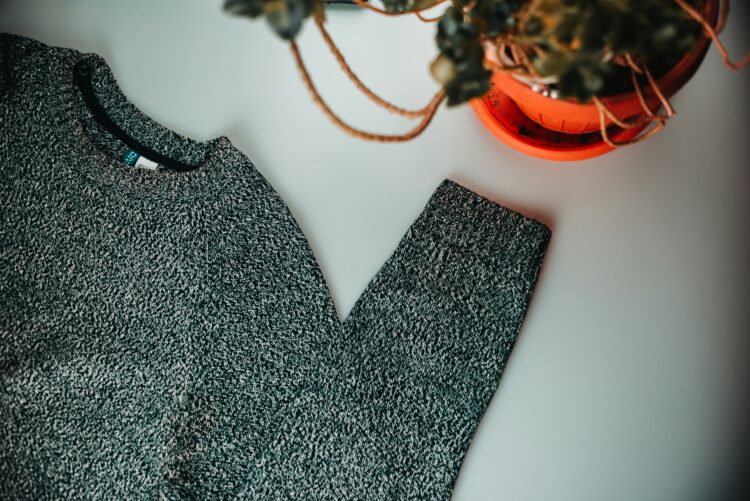
Layering is one of the most versatile and stylish techniques in fashion. Not only does it allow you to adapt to changing weather, but it also adds depth, dimension, and personality to your outfits. Done correctly, layering can transform even the simplest pieces into a polished, fashion-forward look. Yet, despite its potential, many people struggle with layering—either overdoing it or missing opportunities to elevate their style.
In this post, we’ll explore the art of layering, why it’s essential for all seasons, and practical tips to help you master layered outfits that look intentional and stylish year-round.
Why Layering Matters
Layering serves several purposes beyond aesthetics:
- Versatility: Layering allows you to adapt your outfit to fluctuating temperatures. A lightweight top paired with a cardigan or jacket can work from morning to evening.
- Dimension and Interest: Adding layers creates visual depth. Combining textures, patterns, and silhouettes makes your outfit more dynamic.
- Personal Expression: Layering lets you showcase your personality. Scarves, jackets, vests, and accessories allow for creative, unique styling.
- Practicality: Layers give you flexibility in unpredictable weather, making them essential for transitional seasons like spring and autumn.
By understanding these benefits, it becomes clear why layering is a cornerstone of a functional and stylish wardrobe.
Layering Basics: Start With a Solid Foundation
The key to successful layering is building from the basics. A good base outfit provides a canvas for adding texture, volume, and interest.
- Base Layer: Start with a fitted or lightweight top such as a T-shirt, blouse, or long-sleeve knit. The base should be comfortable and breathable, acting as the foundation for additional layers.
- Middle Layer: Add warmth or structure with pieces like sweaters, button-down shirts, or light cardigans. This layer adds visual depth and can be functional for regulating temperature.
- Outer Layer: Finish with a coat, jacket, or blazer. The outer layer often defines the silhouette and serves as the most noticeable element of the layered look.
When each layer complements the others in fit, color, and texture, your outfit will look intentional rather than bulky or chaotic.
Mastering Proportions
Proportion is essential in layering. Without it, layers can overwhelm your frame or appear mismatched. Consider these tips:
- Balance Loose and Fitted: Pair oversized sweaters with slim pants, or wear a tailored coat over a relaxed dress. This contrast prevents the outfit from looking shapeless.
- Play With Lengths: Layer pieces of varying lengths to create dimension. For example, a long cardigan over a cropped top and high-waisted pants adds interest while elongating the figure.
- Avoid Excess Bulk: Layering multiple thick pieces can create unnecessary volume. Instead, mix lightweight and structured pieces for comfort and style.
Proportion ensures that your layers flatter your body rather than hiding it.
Layering With Different Fabrics
Mixing textures and fabrics is a hallmark of expert layering. Combining materials like cotton, wool, leather, denim, and silk adds depth and sophistication.
- Contrast Textures: Pair a chunky knit sweater with a sleek leather skirt or trousers for a modern, chic look.
- Mix Materials: Layering a denim jacket over a linen dress or a wool coat over a silk blouse creates visual intrigue.
- Consider Weight: Heavier fabrics should usually be outer layers, while lighter fabrics work well as base or middle layers.
Thoughtful fabric combinations ensure your outfit remains visually appealing and comfortable.
Color Coordination in Layering
Color plays a vital role in successful layering. Without a cohesive palette, your layers can clash, making your outfit feel messy.
- Neutral Foundations: Start with neutral base pieces like black, white, beige, or gray. Neutral tones provide a canvas for layering with more vivid accents.
- Accent Colors: Introduce a pop of color with a scarf, jacket, or statement bag. Accent colors draw attention and add personality without overwhelming the look.
- Monochromatic Layering: Wearing shades of the same color creates a sleek, sophisticated aesthetic. This technique elongates the silhouette and allows for subtle texture play.
A well-coordinated color palette keeps layered outfits cohesive and stylish.
Layering Across Seasons
Layering isn’t just for winter. It’s an essential styling technique for every season:
Spring:
Spring often brings unpredictable weather. Light layers such as blouses under cardigans, denim jackets over dresses, or lightweight trench coats are perfect. Scarves add warmth and style without bulk.
Summer:
In warmer months, layering can be subtle and breathable. Try a sleeveless top with a sheer kimono, a cropped jacket over a tank, or a light scarf for evenings. Layering in summer adds dimension without overheating.
Autumn:
Autumn is the quintessential season for layering. Combine cozy knits, leather or suede jackets, and scarves. Layering in warm, earthy tones aligns with seasonal colors while adding functional warmth.
Winter:
Winter layering prioritizes warmth but doesn’t mean sacrificing style. Start with thermal or fitted base layers, add sweaters or blazers, and top with a structured coat. Accessories like hats, gloves, and thick scarves complete the ensemble.
Layering allows you to transition seamlessly between indoor and outdoor temperatures in any season.
Accessories: The Secret to Elevating Layers
Accessories can transform a layered outfit from basic to chic. Strategic use of belts, hats, scarves, and jewelry adds polish and emphasizes your personal style.
- Belts: Cinch oversized sweaters or coats to define your waist.
- Scarves: Add texture, color, and warmth; experiment with different tying techniques.
- Hats and Gloves: Functional yet stylish, hats and gloves complete a layered look while keeping you cozy.
- Jewelry: Statement necklaces or earrings draw attention to your face and complement layered outfits.
Accessories offer a subtle way to enhance your layers without overcomplicating the outfit.
Common Layering Mistakes to Avoid
Even experienced fashion enthusiasts can make layering missteps. Here are some pitfalls and how to avoid them:
- Overdoing Layers: Too many layers can overwhelm your frame. Stick to three primary layers (base, middle, outer) and adjust accessories accordingly.
- Ignoring Proportion: Avoid wearing all oversized or all tight pieces. Balance is key.
- Clashing Textures or Colors: Ensure your layers complement each other rather than compete. Cohesive textures and color palettes create harmony.
- Neglecting Functionality: Layers should be wearable and practical, not just visually appealing. Avoid combinations that restrict movement or comfort.
Being mindful of these mistakes ensures your layered outfits remain stylish and functional.
Tips for Effortless Layering
- Start Simple: Begin with basic pieces and add one statement layer at a time.
- Play With Open vs. Closed Layers: An open cardigan or jacket can create visual length and movement, while a closed piece emphasizes shape.
- Use Vertical Lines: Long layers or vertical seams elongate your silhouette.
- Mix Casual and Structured Pieces: Combine relaxed pieces with tailored layers to balance comfort and polish.
- Experiment With Accessories: Scarves, belts, and jewelry can redefine the impact of a layered outfit.
Experimenting with these tips helps you find layering combinations that reflect your personal style.
Conclusion
Mastering the art of layering is a game-changer in fashion. It allows you to create dynamic, versatile outfits that work for any season while showcasing your personality and style. By focusing on fit, proportion, textures, colors, and accessories, you can build layered outfits that are both practical and fashionable.
Layering isn’t just about adding more clothing—it’s about creating depth, dimension, and versatility in a thoughtful way. Whether it’s a lightweight kimono in summer, a cozy knit in autumn, or a structured coat in winter, layers allow you to express your style while adapting to the environment.
When done right, layering is effortless, chic, and timeless. It encourages creativity, functional dressing, and confidence in every outfit. By mastering the art of layering, you can transform basic wardrobe pieces into stunning ensembles that work year-round, proving that fashion is not just about what you wear—it’s about how you combine it.





Leave Comment