
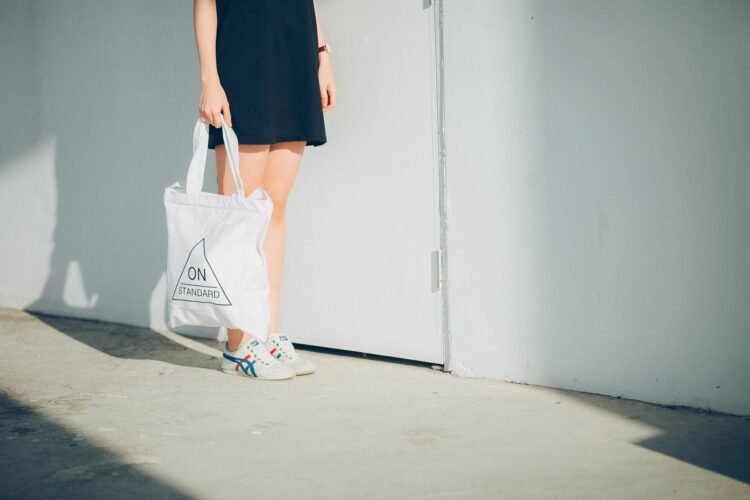
Fashion advice can sometimes feel rigid. Many guides tell you that pear shapes must avoid horizontal stripes, apple shapes should never wear high-waisted pants, and rectangle shapes need to create curves at all costs. While these suggestions can be helpful as starting points, strict rules often make fashion feel restrictive and stifle personal style. The truth is that dressing for your body type doesn’t have to be complicated or confining. With awareness, creativity, and confidence, you can highlight your favorite features and create outfits that feel flattering—without following a strict playbook.
In this post, we’ll explore how to embrace your body type while allowing room for experimentation, style expression, and comfort.
Understanding Your Body Type as a Guide, Not a Rulebook
Before you can dress intentionally, it helps to understand your body shape. Common categories include pear, apple, hourglass, rectangle, and inverted triangle. Each shape has unique characteristics, such as where you carry weight, your proportions, and your natural curves.
However, it’s important to remember that these categories are not rigid boxes. Most bodies don’t fit neatly into a single shape, and everyone has features they love to emphasize differently. Instead of using body type as a strict template, consider it a guideline to highlight your strengths and feel more confident in your outfits.
Focus on Fit Over Fashion Rules
The most important factor in dressing for your body type is fit. Clothing that fits your frame properly always looks more polished than something that follows a trend or “rule” but is ill-fitting.
- Tops: Choose tops that flatter your shoulders, waist, and bust proportionally. For example, a V-neckline can elongate the neck and draw attention upward, while a boat neck can broaden the shoulders elegantly.
- Bottoms: Pants, skirts, and shorts should fit your hips and waist comfortably without pinching or gaping. Straight-leg, wide-leg, or tailored trousers can look flattering on multiple shapes.
- Dresses: Dresses should follow the lines of your body without clinging uncomfortably. Wrap dresses, shift dresses, and A-line silhouettes are versatile and work well for a variety of shapes.
Fit is about balance and proportion, not following a trend. Investing in alterations when needed can make a huge difference in how clothing looks on your body.
Emphasize Your Favorite Features
Instead of worrying about “flaws” or what you should avoid, focus on your favorite features. Clothing should celebrate your natural attributes and make you feel confident.
- Legs: Show off your legs with cropped pants, skirts, or high-slit dresses.
- Waist: Highlight your waist with belts, wrap styles, or tailored garments.
- Arms and Shoulders: Play with sleeveless tops, off-shoulder styles, or statement sleeves.
When you emphasize what you love, your outfit looks intentional and feels comfortable, regardless of traditional fashion rules.
Use Proportion and Balance Strategically
Proportion is a key tool for dressing for your body type. Balancing fitted and loose pieces can create harmony without following strict shape rules.
- Pair a flowy top with slim pants or leggings to balance volume.
- Wear an oversized sweater with tailored trousers for a relaxed yet polished look.
- Use layering to create structure, such as a cropped jacket over a longer dress.
Proportion is more about visual balance than adhering to a rigid rule. Play with length, volume, and silhouette combinations to discover what feels flattering for your body.
Embrace Color and Pattern Freely
Traditional body-type advice often includes color restrictions, like dark colors “slimming” certain areas or avoiding patterns on your lower half. While color and pattern can be strategic, there are no hard rules.
- Color Blocking: Pair bold and neutral shades creatively to highlight features you love.
- Patterns: Stripes, florals, and abstract prints can be worn anywhere—focus on placement and proportion rather than avoiding patterns entirely.
- Monochrome Outfits: Dressing in shades of one color can elongate your silhouette, but mixing complementary tones can add depth and personality.
The key is confidence. When you wear color and pattern intentionally, your outfit feels cohesive and stylish without following strict rules.
Accessories as Shape Enhancers
Accessories are an excellent way to subtly enhance your body’s natural proportions. They allow for creative expression while shaping your look.
- Belts: Use belts to define your waist over dresses, blouses, or coats.
- Jewelry: Statement necklaces draw attention upward, while earrings can highlight your face shape.
- Scarves: Scarves can elongate the neck or add volume to the upper body strategically.
Accessories offer freedom to adjust proportions without worrying about rigid fashion rules.
Layering With Intent
Layering is a powerful tool for dressing your body type while staying flexible. Thoughtful layers add structure, dimension, and visual interest:
- Jackets and Blazers: A tailored blazer creates definition at the waist and shoulders.
- Cardigans and Coats: Longer outer layers elongate the frame, while cropped jackets emphasize your waist.
- Vests and Kimonos: Layering lightweight pieces over basic outfits adds style without restricting movement.
Layering is about experimenting and enhancing your natural shape, not following prescriptive fashion guidelines.
Don’t Be Afraid to Experiment
The beauty of modern fashion is its flexibility. While body-type advice can provide starting points, experimentation is key to discovering what makes you feel confident.
- Try unexpected combinations of prints, textures, and silhouettes.
- Play with lengths and proportions to see what complements your body.
- Mix classic pieces with trendy items to keep your wardrobe fresh and dynamic.
When you experiment, you learn what works for you and your body, rather than what a rulebook says you should do.
Confidence: The Ultimate Flattering Factor
Regardless of body type, confidence is the most important element of style. Clothing that fits, highlights your favorite features, and feels comfortable will always look better when paired with confidence.
- Stand tall and practice good posture—it changes how clothes fall on your body.
- Wear outfits that make you feel authentic and reflect your personality.
- Avoid overthinking rules and focus on what makes you feel good.
Confidence transforms even simple outfits into chic, flattering looks, proving that rules are secondary to self-assurance.
Practical Tips to Dress for Your Body Type Freely
- Start with a wardrobe audit: Remove items that don’t feel flattering or authentic.
- Invest in staples that work for multiple outfits: Quality basics like tailored pants, versatile dresses, and simple tops form a strong foundation.
- Use accessories strategically: Belts, scarves, and statement jewelry can adjust proportions without following strict rules.
- Play with proportions: Mix fitted and loose items to create balance.
- Experiment: Try new silhouettes, colors, and textures to discover what feels best.
- Prioritize comfort: Clothes that fit well and feel comfortable naturally look better.
Conclusion
Dressing for your body type doesn’t require rigid rules. Instead, it’s about understanding your shape, celebrating your favorite features, and using clothing, accessories, and layering to enhance your natural proportions. Minimal guidelines, like focusing on fit, proportion, and confidence, will help you create flattering outfits without feeling restricted.
Fashion should be empowering, not confining. By embracing flexibility, experimenting with styles, and prioritizing your comfort and confidence, you can dress in a way that feels authentic, stylish, and flattering—no rulebook required. Remember: the best fashion advice is the one that makes you feel good in your own skin.




Leave Comment