
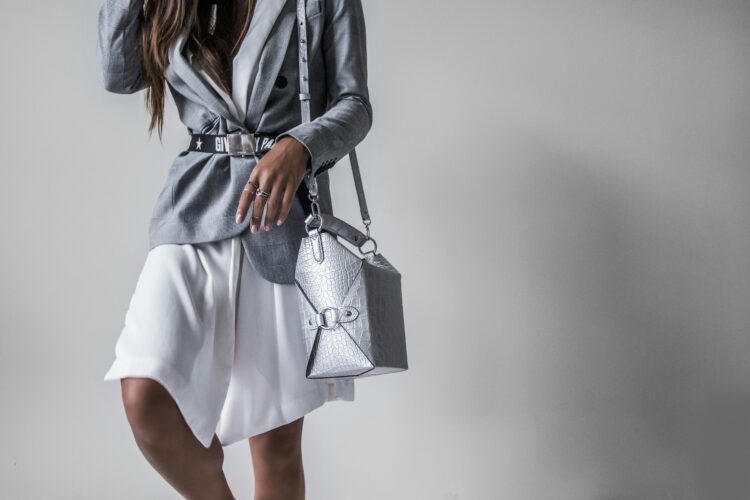
In a world saturated with fast fashion, trends that come and go, and overflowing closets, minimalist fashion offers a refreshing approach: less is more. Minimalism in fashion isn’t just about owning fewer clothes—it’s about intentionality, quality, and timeless style. By embracing simplicity, you can create a wardrobe that is versatile, sustainable, and effortlessly chic. This approach doesn’t mean boring or repetitive outfits—it’s about curating pieces that reflect your personality while reducing clutter and decision fatigue. In this post, we’ll explore why minimalist fashion is powerful, how to build a minimalist wardrobe, and practical tips to adopt this timeless approach.
The Philosophy Behind Minimalist Fashion
Minimalist fashion is rooted in the idea that style doesn’t require excess. It prioritizes quality over quantity, timeless pieces over fleeting trends, and clean, thoughtful styling over overcomplicated outfits. The philosophy can be summed up in a few key principles:
- Intentionality: Every piece in your wardrobe serves a purpose and is chosen deliberately.
- Versatility: Items are adaptable, allowing for multiple outfit combinations.
- Timelessness: Focus on classic silhouettes and colors that won’t quickly go out of style.
- Sustainability: Less consumption means less waste and a reduced environmental impact.
Adopting a minimalist approach encourages mindful shopping, thoughtful styling, and a wardrobe that truly reflects your personal aesthetic rather than chasing every passing trend.
Benefits of Minimalist Fashion
Minimalist fashion isn’t just about aesthetics—it offers practical, everyday advantages:
- Less Clutter, More Clarity: A minimalist wardrobe reduces decision fatigue. When you own fewer but high-quality pieces, mixing and matching becomes easier.
- Saves Money: Investing in versatile, durable clothing reduces the need for constant shopping, saving money in the long run.
- Timeless Style: Minimalist wardrobes rely on classic pieces that remain stylish year after year, eliminating the stress of keeping up with fleeting trends.
- Eco-Friendly: Minimalism supports sustainability by discouraging overconsumption and promoting longevity in clothing choices.
- Confidence Boost: A curated wardrobe means every outfit is intentional, making you feel polished and confident every day.
Key Elements of a Minimalist Wardrobe
Building a minimalist wardrobe involves careful curation. Here are the core elements to consider:
1. Neutrals and Cohesive Color Palette
Minimalism relies on a cohesive color palette, often featuring neutrals such as black, white, beige, gray, and navy. These colors mix easily, allowing for maximum outfit combinations without visual clutter.
Accent colors can be added sparingly to express personality, but the foundation of your wardrobe should remain neutral and versatile.
2. High-Quality Basics
Basics are the backbone of minimalist fashion. Classic items like well-fitted T-shirts, crisp white shirts, tailored trousers, simple sweaters, and versatile dresses form the foundation of your wardrobe.
Quality matters more than quantity. Investing in durable fabrics like cotton, wool, silk, and cashmere ensures pieces last longer and maintain their shape, making them worth the investment.
3. Timeless Silhouettes
Minimalist fashion favors clean, simple lines and classic silhouettes that never go out of style. Think straight-leg trousers, shift dresses, tailored blazers, simple skirts, and versatile outerwear. Avoid overly trendy cuts that may feel outdated in a season.
4. Versatile Accessories
Accessories in minimalist fashion are intentional, functional, and understated. A structured handbag, a classic watch, simple jewelry, and neutral shoes complete outfits without overwhelming them. Accessories should enhance the outfit rather than compete with it.
5. Thoughtful Footwear
Shoes play a major role in minimalism. A few well-chosen pairs of clean, versatile shoes—like loafers, ankle boots, sleek sneakers, and neutral heels—can support multiple outfits and occasions. Quality over quantity is key.
Practical Tips for Adopting Minimalist Fashion
Transitioning to a minimalist wardrobe requires intentional decisions. Here are practical tips to help you embrace the “less is more” philosophy:
1. Audit Your Closet
Start by assessing what you already own. Keep pieces that fit well, reflect your style, and can be mixed and matched. Donate or sell items that are worn out, don’t fit, or no longer suit your lifestyle.
2. Invest in Quality Over Quantity
Instead of buying multiple cheap items, invest in fewer, higher-quality pieces. They last longer, look better, and make assembling outfits effortless.
3. Stick to a Cohesive Color Palette
Choose a base of neutral colors, then add one or two accent colors for variety. This makes mixing and matching easier and ensures that every piece works with the rest of your wardrobe.
4. Focus on Layering
Layering adds depth and interest to minimalist outfits. A simple white T-shirt, tailored blazer, and sleek trousers can feel chic, while a scarf, cardigan, or coat adds dimension without excess.
5. Avoid Over-Accessorizing
Keep accessories minimal and intentional. Opt for functional, versatile pieces that enhance your outfits rather than compete with them. Less really is more when it comes to minimalist styling.
6. Prioritize Fit and Comfort
Even the most stylish minimalist wardrobe can fall flat if clothes don’t fit properly. Tailor garments as needed and prioritize comfort—minimalism is about effortless style, not forced dressing.
7. Embrace Capsule Wardrobes
A capsule wardrobe—a small collection of essential pieces that mix and match effortlessly—is a great way to practice minimalist fashion. It reduces clutter, simplifies daily dressing, and ensures every piece serves a purpose.
Minimalist Fashion for Everyday Life
Minimalism isn’t limited to high-fashion settings. It can be applied to everyday life, from casual weekends to professional environments:
- Casual: Pair a white T-shirt, high-waisted jeans, and minimalist sneakers for a clean, effortless look.
- Work: Combine tailored trousers, a crisp blouse, and classic loafers for a polished professional appearance.
- Evening: A simple black dress, neutral heels, and understated jewelry create an elegant, timeless outfit.
- Travel: Minimalist fashion works perfectly for travel—versatile pieces that mix and match reduce packing stress while maintaining style.
The beauty of minimalism is that it adapts to your lifestyle while maintaining sophistication.
Common Misconceptions About Minimalist Fashion
Some people believe minimalism is boring or restrictive. In reality, minimalism allows for creativity within constraints. By focusing on quality, fit, and subtle details, you can create chic, stylish outfits without clutter or chaos. Minimalist fashion encourages intentionality and self-expression rather than restricting your style.
Another misconception is that minimalist fashion is expensive. While investment pieces are part of the strategy, minimalism can also mean repurposing and thoughtfully styling affordable items. The focus is on versatility and cohesion, not price tags.
The Environmental Benefits
Minimalist fashion also aligns with sustainability. By consuming less and investing in durable, versatile pieces, you reduce waste and your environmental footprint. Fast fashion contributes significantly to pollution and overconsumption; minimalism provides a stylish, conscious alternative.
Conclusion
Minimalist fashion proves that less really is more. By focusing on quality, timeless silhouettes, a cohesive color palette, and intentional accessories, you can create a wardrobe that is versatile, sustainable, and effortlessly chic. Minimalism isn’t about deprivation—it’s about curating pieces that truly reflect your style, simplify your life, and make dressing each day a stress-free, confident experience.
The power of minimalist fashion lies in its simplicity. Fewer, better-chosen items mean less clutter, more style, and more freedom to express yourself. Whether building a capsule wardrobe or gradually decluttering your closet, embracing minimalism allows you to focus on what matters most: feeling confident, polished, and authentic in every outfit.





No Comments
Leave Comment